High Cortisol? 5 Ways to Support Your Body This Summer

Apple Podcast - Spotify - YouTube
Have you ever looked at your calendar and wondered how it's possible to fit one more thing into your week?
Between vacations, graduations, baseball games, doctor's appointments, caregiving, church events, weddings, birthdays, and work responsibilities, many midlife women are carrying a tremendous amount right now.
And while these things aren't necessarily bad, they still create stress.
The challenge is that after 40, our bodies respond differently to that stress. What used to feel manageable can suddenly leave us feeling exhausted, wired, overwhelmed, and frustrated that the scale won't move.
If you've been struggling with high cortisol, stubborn belly fat, fatigue, or feeling like you're constantly running on fumes, your body may be asking for something different.
Not more hustle.
Not more discipline.
Not another complicated plan.
It may be asking for support.
One of the most powerful mindset shifts we can make in a busy season is to ...
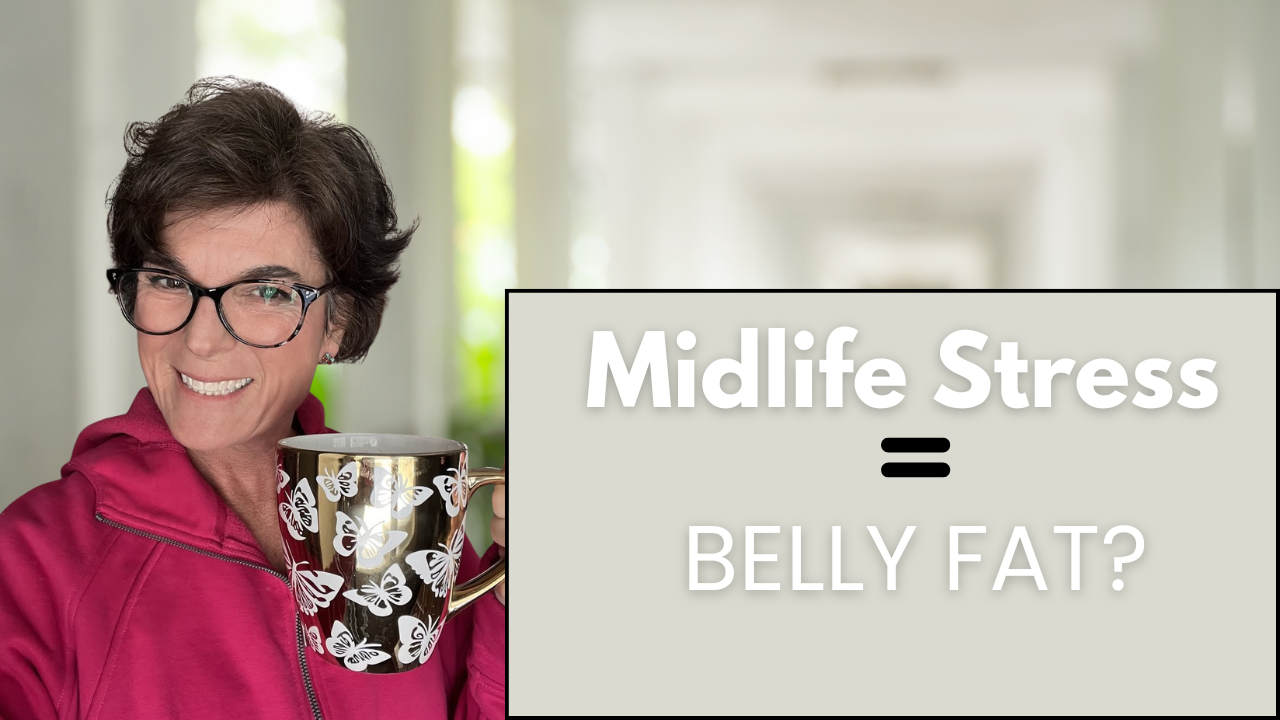
Are You Stuck in Fight-or-Flight Fat Storage Mode?
Apple Podcast - Spotify - YouTube
If you’ve been eating well, trying to stay consistent, and still feel like your body is holding on to belly fat… friend, there may be more going on than food.
One of the biggest shifts I’ve personally had in my own midlife health journey is realizing that stress and nervous system health matter far more than I ever understood before. For years, I approached fat loss like many women do. Eat less. Push harder. Work out more. Stay disciplined.
But somewhere in midlife, that strategy started backfiring.
My energy dropped. My stress tolerance changed. My hormones shifted. My sleep became more fragile. And even while following Trim Healthy principles, I realized my body was responding differently than it once did.
What I’ve learned since then is this:
Your body is not working against you. Your body is responding to the environment it believes it’s living in.
And when your body feels stressed, overwhelmed, inflamed, or unsafe, belly fat burnin...
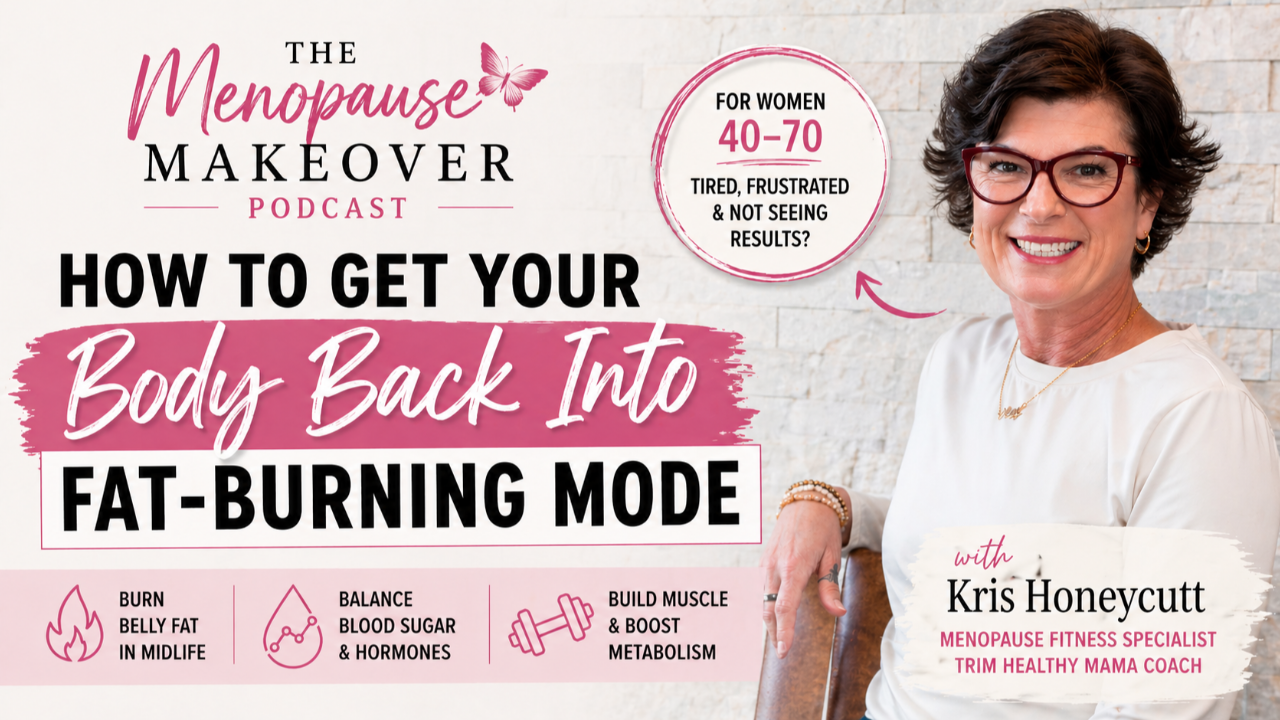
How to Get Your Body Back Into Fat-Burning Mode
Apple Podcast - Spotify - YouTube
Have you ever felt like your body just… stopped responding?
You’re doing what worked before.
You cleaned up your eating. You’re staying consistent. You’re working out. You’re trying to burn belly fat the way you always have.
And yet… your body is not cooperating.
The scale is stuck. Your energy is low. And somehow, belly fat feels like it’s showing up faster than ever.
If you’ve found yourself wondering, “Why is my body not in fat-burning mode anymore?”—you’re not alone, and you’re not imagining it.
This is one of the biggest shifts that happens in midlife.
Why Belly Fat Burning Changes After 40
Here’s what I want you to understand first, your body is not working against you.
It’s responding to a new season.
As we move through perimenopause and menopause, hormones begin to shift in ways that affect everything—your metabolism, your energy, your muscle, and how your body stores fat.
One of the biggest drivers behind this change is hi...
Why Does Everything Feel More Intense After 40?
Apple Podcast - Spotify - YouTube
Have you ever caught yourself thinking, Why am I reacting like this?
The frustration hits harder. The stress lingers longer. And suddenly, something small feels… big.
If that’s been you lately, you’re not imagining it. This is a very real midlife shift tied to high cortisol, imbalanced hormones, and your mindset—and it can show up in ways you don’t expect.
It can look like snapping faster.
Replaying situations over and over.
Feeling emotionally drained by things that never used to bother you.
And yes… it can absolutely impact your weight, your energy, and your ability to stay consistent.
Let me tell you a story.
The Parking Lot Moment That Could Have Ruined My Night
So picture this.
It’s Sunday evening. We’ve had a full, beautiful family day, and my husband and I go to pick up our son from baseball practice. We’re waiting… and waiting… and waiting.
By the time 30 minutes had passed, I was already feeling irritated. You know that low-le...
The Protein Pitfall Stalling Your Fat Loss After 40
Apple Podcast - Spotify - YouTube
Friend, if you feel like you’re doing all the right things—eating healthy, trying to stay on plan, maybe even moving more—but your body just isn’t responding… I want you to pause right here with me.
Because this might not be about trying harder.
It might be about understanding how your body has changed—and what it actually needs now.
Today we’re talking about protein, strength training, and even how high cortisol can quietly play a role in why things feel stalled. We’re also going to answer a question I hear all the time: how much protein do you really need to lose weight with a high protein approach in midlife?
And friend, the answer might surprise you.
The Protein Rule You’ve Been Following Might Be Outdated
For years, we were taught that your body can only absorb 20–30 grams of protein at a time.
Anything more?
Wasted.
Or worse—stored as fat.
So many women I work with are still building their meals around that belief. They’re gettin...
What High Cortisol Is Really Doing to Your Belly Fat
Apple Podcast - Spotify - YouTube
If you’ve been putting in effort—eating better, trying to follow Trim Healthy, maybe even adding more protein—and the scale or your belly fat just isn’t responding… there’s a reason.
And one of the biggest pieces I see in midlife women is high cortisol.
Before we go any further, let’s clear something up.
Cortisol is not the enemy.
In fact, if you’ve ever wondered “cortisol—what does it do?”… it actually helps wake you up, regulate your metabolism, balance blood sugar, and respond to stress.
But when cortisol stays elevated for too long?
That’s when things start to feel stuck.
Especially when you’re trying to lose weight with a high protein, hormone-supportive approach and your body still isn’t cooperating.
Let’s talk about what’s really going on.
Cortisol: What It Does in Your Body (and Why It Matters)
Cortisol is your body’s stress response hormone.
It’s designed to help you handle short bursts of stress—like getting out of danger ...
5 Ways To Stop High Cortisol In Its Tracks
Apple Podcast - Spotify - YouTube
If you’ve been trying to lose weight and feel like your body just isn’t responding the way it used to… you may have heard the word cortisol come up more than once.
Maybe you’ve wondered:
“Is high cortisol the reason I can’t lose weight right now?”
Or even… “Cortisol—what does it do, and how do I fix it?”
Let’s just take a breath for a second.
Because while high cortisol does matter, the way it’s being talked about online can leave you feeling confused, overwhelmed, and honestly… a little discouraged.
And that’s not what we’re doing here.
We’re going to simplify this and bring it back to truth—both scientifically and in the way your body was designed to function.
Cortisol: What Does It Do in Your Body?
Cortisol is not your enemy.
It’s actually a survival hormone that your body needs.
Cortisol helps:
- wake you up in the morning
- regulate blood sugar
- support your metabolism
- manage inflammation
- help your body respond to stress
So ...
The Truth About “Cheat Meals” and Belly Fat After 40
Apple Podcast - Spotify - YouTube
If you’re in midlife and trying to lose weight, you’ve probably had this moment:
You’re eating well. You’re trying to stay on plan. You’re making better choices than you used to.
And yet… your body isn’t responding the way it used to.
That’s frustrating.
And what I see over and over again with women in this season is this isn’t just about food—it’s about mindset, metabolism, and how your body is handling stress (hello cortisol).
Because after 40, your body doesn’t respond well to pressure.
It responds to wisdom.
The Hidden Cycle That Makes It Harder to Lose Weight
Let me walk you through something I’ve lived myself—and coached hundreds of women through.
You start the week strong. You’re committed. You’re focused.
Then something small happens.
A dinner out. A craving. A moment where things don’t go perfectly.
And your brain says:
“Well… I already messed up.”
So you keep going.
And then Monday comes… and you start over again.
...Is High Cortisol and Overwhelm why you feel exhausted?
Apple Podcast - Spotify - YouTube
If you’re a midlife woman trying to take care of your health, stay consistent with Trim Healthy Mama, and manage everything life is asking of you, you may have noticed something lately. You’re tired in a way that feels deeper than it used to. It’s not just the normal kind of tired after a busy day. It’s the kind that settles into your body and your soul and makes everything feel heavier.
Many women in my coaching community say the same thing: “I’m doing the best I can, but I feel exhausted.” They’re trying to eat well, move their body, care for their families, and keep life running smoothly. Yet they just can't rest. Often the hidden reason is a combination of overwhelm and high cortisol, which can drain energy and make consistency feel much harder than it should.
When stress piles up in midlife, your body and mind both feel it. Hormones shift, sleep may become more fragile, and responsibilities multiply. Without realizing it, many capable wom...
Overcome the Shame–Cortisol Cycle That Fuels Belly Fat
Apple Podcast - Spotify - YouTube
If you’ve ever eaten off plan, skipped a workout, or just felt too tired to care—and then immediately felt disappointed in yourself—you’re not alone. I hear this story from midlife women every single week.
The food itself usually isn’t the hardest part.
It’s what happens after.
That internal dialogue.
The frustration.
The quiet shame spiral that says, “Why am I still dealing with this?”
And here’s what most women don’t realize: that moment doesn’t just affect your mindset. It affects your hormones—specifically high cortisol—and that matters deeply when you’re trying to release stubborn belly fat in midlife.
This post isn’t about fixing you.
It’s about helping you return—without shame.
When Slip-Ups Trigger High Cortisol (and Belly Fat)
Let’s slow this down and separate fact from fiction.
The facts might look like this:
You didn’t track your food.
You ate off plan.
You skipped your workout.
Those are behaviors. Period.
But what usually ha...
Ready for more real talk, fat loss tips, and hormone support made for midlife women?
Author

Kris Honeycutt
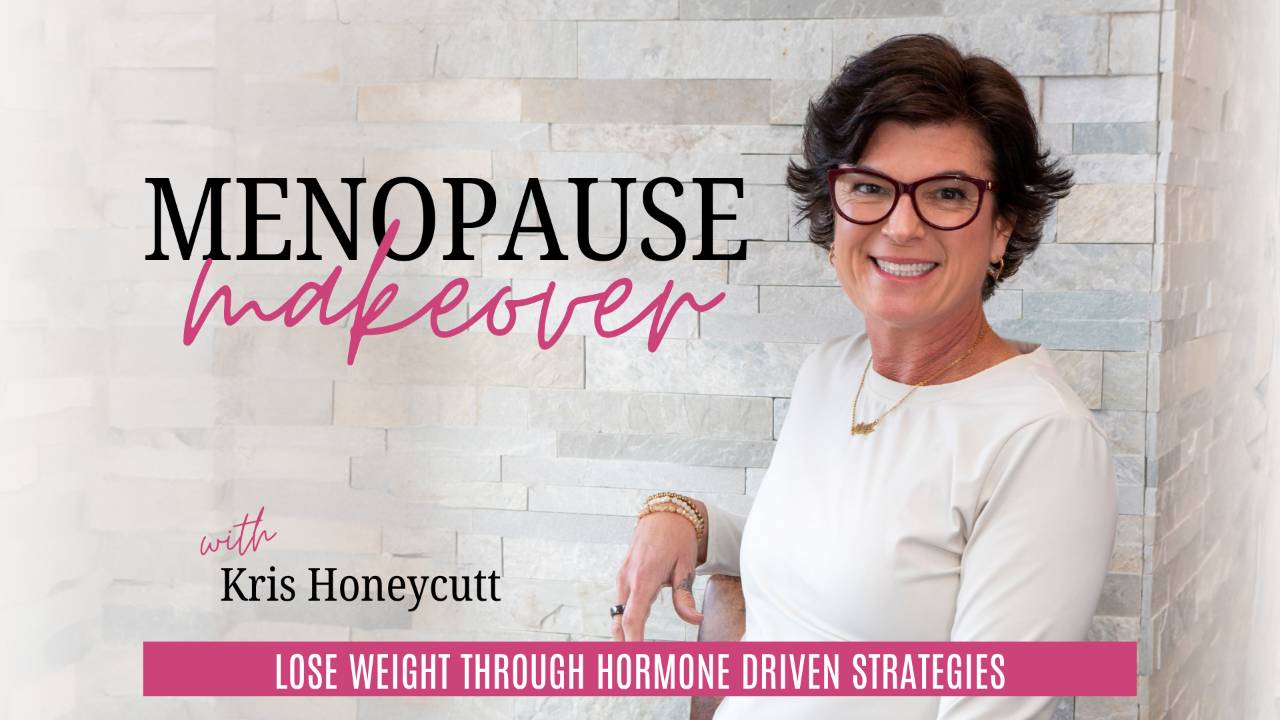
I’m a Trim Healthy executive coach, menopause fitness specialist, and personal trainer helping women over 40 lose stubborn weight, balance hormones, and feel confident in midlife bodies. Around here, we ditch diet drama and build real results—one wise, grace-filled step at a time.
Recent Posts

Join my Tribe today
How do you make Trim Healthy your lifestyle eating plan?
By getting community & coaching support.
Real change happens with accountability and habits. You get both inside Get Your Trim On Tribe Membership.
Get Your Trim On Store
Products that I have created to help you be successful in your Trim Healthy Mama journey.
What does Coach Kris buy from the THM store?
I am an official THM store affiliate and may earn a commission from purchases made through this link.
Baobab - Optimized Plant Protein - Optimized Whey Protein - Essential Amino Acids - No Carb Easy Bread
