How One Woman Changed Her Metabolism and Lost 20 Pounds
Apple Podcast - Spotify - YouTube
What do you do when you are eating healthy, exercising, and trying to follow the plan—but your metabolism and weight no longer seem to respond?
One of my clients came to me at 52 years old feeling completely discouraged. She had gained stubborn belly fat, her energy was low, and despite following Trim Healthy Mama most of the time, she could not seem to lose weight.
She felt like she was doing everything right. But like many women in perimenopause and menopause, she was still relying on the weight-loss strategies that had worked earlier in life: eating less, skipping meals, doing more cardio, and hoping the scale would finally cooperate.
Over the next several months, she learned how to strength train, eat enough protein, use carbohydrates strategically, support her blood sugar, improve her recovery, and address the mindset patterns that kept her starting over.
She did not fix her metabolism with a quick trick or an extreme plan. She supporte...
Think all belly fat is the same? Think again.
Apple Podcast - Spotify - YouTube
If you've been trying to lose belly fat after 40 but nothing seems to work, you're not alone. One of the biggest surprises women experience during perimenopause and menopause is watching their weight slowly shift toward their middle. You haven't necessarily changed how you're eating, yet your favorite jeans suddenly don't fit the same.
The truth is, not all belly fat is created equal.
While most of us focus on the fat we can see in the mirror, there's another type called visceral belly fat that deserves even more attention. Understanding the difference can completely change the way you approach your health—and give you hope that your body isn't broken.
Today, let's talk about what visceral belly fat really is, why it becomes more common after 40, and the simple lifestyle habits that can help you build a healthier body from the inside out.
What Is Visceral Belly Fat?
There are two main types of belly fat.
The first is subcutaneous fat, ...
5 Walking Mistakes Keeping You From Losing Belly Fat
Apple Podcast - Spotify - YouTube
Have you ever wondered if you can lose weight walking?
If you're like many women I coach, you've probably heard that walking is one of the best exercises for weight loss. Yet you've faithfully logged your steps, walked around the neighborhood, or spent time on the treadmill... and that stubborn belly fat still hasn't budged.
So what's going on?
The truth is, walking is one of the best things you can do for your health after 40—but only if you understand what it can and can't do.
As a certified personal trainer, menopause fitness specialist, and Trim Healthy Mama coach, I've seen women exhaust themselves trying to out-exercise their hormones. They believe if they just walk farther, burn more calories, or hit 10,000 steps every day, the weight will finally come off.
But midlife weight loss doesn't work that way.
Let's look at five common walking mistakes that may be keeping you from losing belly fat—and what to do instead.
Mistake #1:...
3 Protein Mistakes That Keep Women From Losing Weight
Apple Podcast - Spotify - YouTube
This post contains affiliate links, which means I may earn a small commission at no extra cost to you.
If you've been faithfully eating healthy, following Trim Healthy principles, and still wondering why the scale isn't moving, I want to encourage you today. It may not be because you're eating too many carbs. It may not be because your metabolism is "broken." And it may not even be because your hormones are working against you.
One of the most overlooked reasons women struggle to lose weight during perimenopause and menopause is simply not getting enough protein—or not eating it in the right way. I know because I've walked this road myself. As a certified personal trainer, menopause fitness specialist, and Trim Healthy Mama coach, I've watched hundreds of women make this one change and begin noticing fewer cravings, better energy, improved strength, and more success losing body fat without feeling deprived.
Today I want to share the three bi...
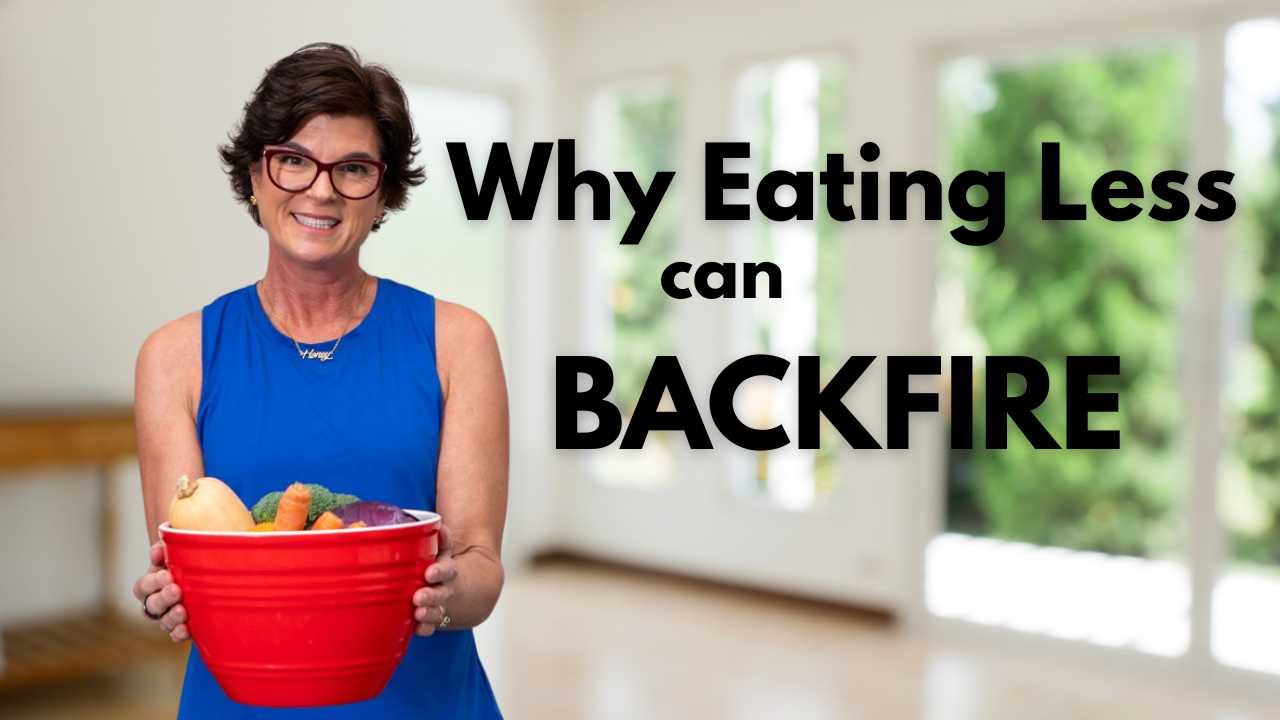
Why Eating Less May Be Causing More Belly Fat
Apple Podcast - Spotify - YouTube
If you've been eating less, exercising more, and wondering why the scale isn't moving, you're not alone. In fact, this is one of the most common frustrations I hear from women in perimenopause and menopause. Many women come to me feeling discouraged because they're working harder than ever, yet their belly fat seems to be growing instead of shrinking.
The truth is, your problem probably isn't a lack of willpower. For years, women have been told that if they simply ate less and exercised more, weight loss would follow. While that advice may have worked in your twenties and thirties, midlife changes the equation. Your body is operating under a different set of hormonal conditions, and it requires a different strategy.
Why Weight Loss Feels Different After 40
One of the biggest mindset shifts women need to make in midlife is understanding that their bodies are not broken. What you're experiencing is real. As estrogen begins to fluctuate an...
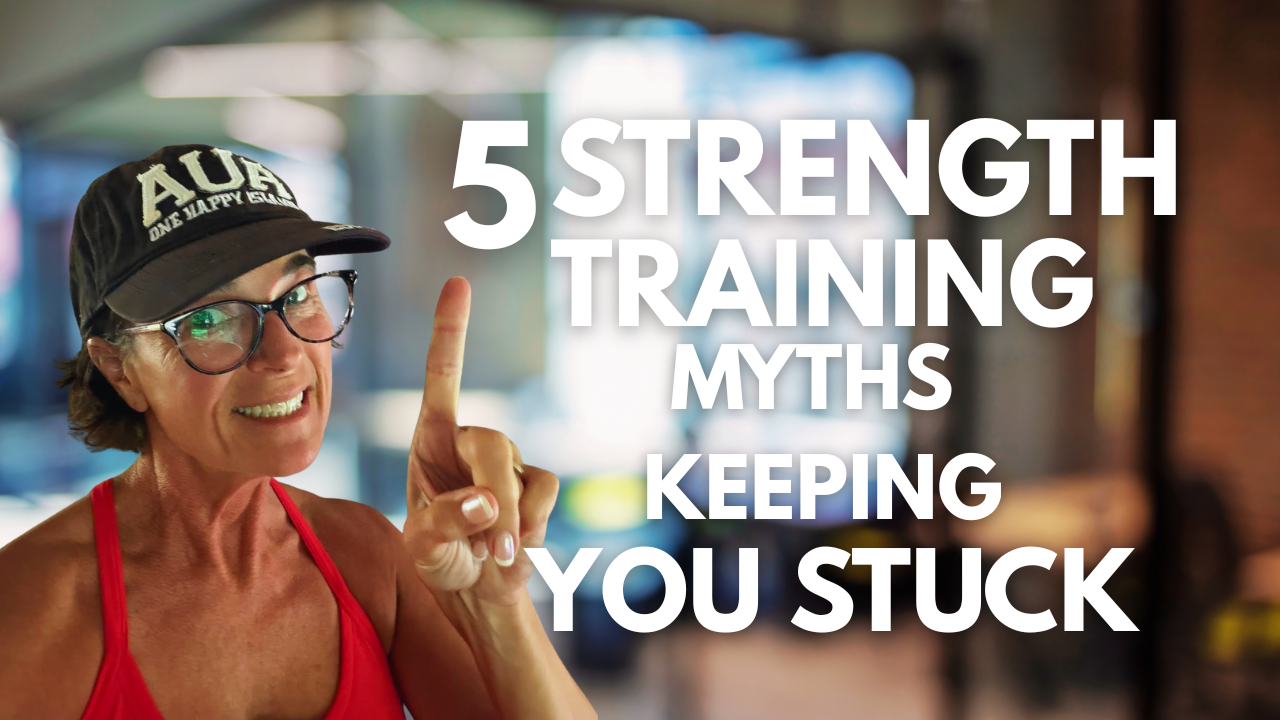
5 Strength Training Myths Keeping Women Over 40 Stuck
Apple Podcast - Spotify - YouTube
Have you ever found yourself wondering if you're doing the right workout?
Maybe you've questioned whether you're lifting heavy enough, exercising long enough, or following the best strength training program to lose weight. If so, you're not alone.
One of the biggest struggles I see among women in perimenopause and menopause isn't a lack of effort. It's confusion. Many women are working hard but still feel stuck because they've been following beliefs about exercise that simply aren't true.
The good news?
A major new research review from the American College of Sports Medicine confirms something I've been teaching for years as a personal trainer, menopause fitness specialist, and Trim Healthy Mama coach: strength training after 40 doesn't have to be complicated.
In fact, some of the beliefs keeping women stuck are actually preventing them from seeing results.
Let's talk about five of the biggest strength training myths and what the latest re...
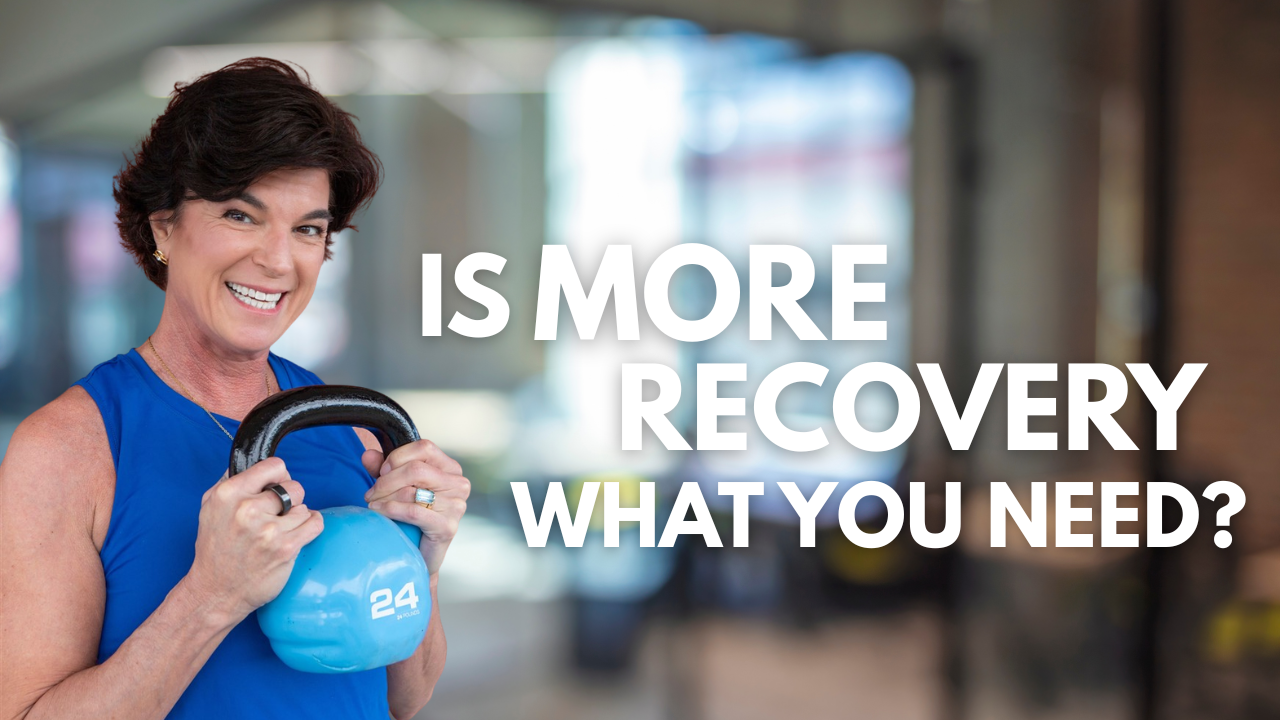
The Truth About High Cortisol, Recovery, and Weight Loss After 40
Apple Podcast - Spotify - YouTube
If you're doing all the things—walking more, lifting weights, staying on plan, trying to lose weight—and yet you still feel exhausted, inflamed, sore, and stuck, I want to offer a different perspective.
What if your body doesn't need more effort?
What if it needs more recovery?
This is one of the biggest lessons I've learned both personally and as a menopause fitness specialist working with women in perimenopause and menopause. So many midlife women have spent decades believing that more is better. More exercise. More discipline. More restriction. More pushing through.
But after 40, our bodies often respond better to wisdom than willpower.
Today I want to talk about something that most women completely overlook: the deload week.
And honestly, it may be one of the missing pieces behind your fatigue, stalled fat loss, inflammation, soreness, and even symptoms of high cortisol.
What Is a Deload Week?
Let's keep this simple.
A deload ...
High Cortisol? 5 Ways to Support Your Body This Summer

Apple Podcast - Spotify - YouTube
Have you ever looked at your calendar and wondered how it's possible to fit one more thing into your week?
Between vacations, graduations, baseball games, doctor's appointments, caregiving, church events, weddings, birthdays, and work responsibilities, many midlife women are carrying a tremendous amount right now.
And while these things aren't necessarily bad, they still create stress.
The challenge is that after 40, our bodies respond differently to that stress. What used to feel manageable can suddenly leave us feeling exhausted, wired, overwhelmed, and frustrated that the scale won't move.
If you've been struggling with high cortisol, stubborn belly fat, fatigue, or feeling like you're constantly running on fumes, your body may be asking for something different.
Not more hustle.
Not more discipline.
Not another complicated plan.
It may be asking for support.
One of the most powerful mindset shifts we can make in a busy season is to ...
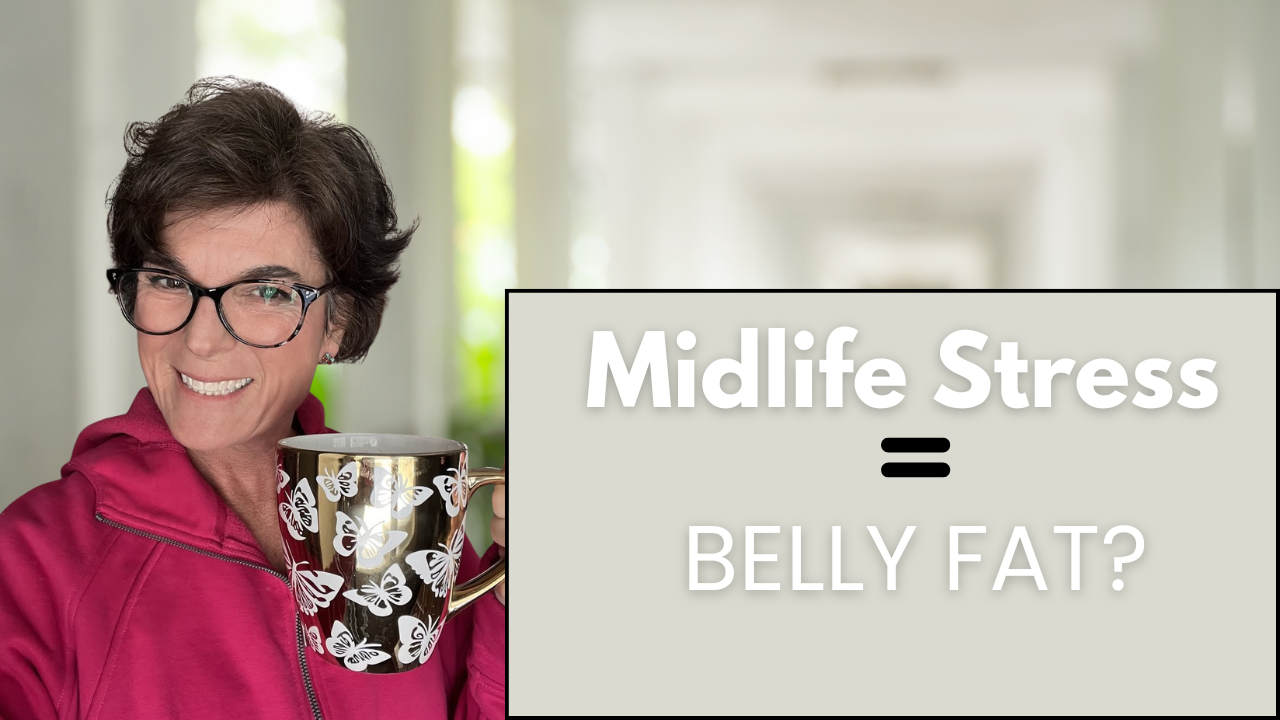
Are You Stuck in Fight-or-Flight Fat Storage Mode?
Apple Podcast - Spotify - YouTube
If you’ve been eating well, trying to stay consistent, and still feel like your body is holding on to belly fat… friend, there may be more going on than food.
One of the biggest shifts I’ve personally had in my own midlife health journey is realizing that stress and nervous system health matter far more than I ever understood before. For years, I approached fat loss like many women do. Eat less. Push harder. Work out more. Stay disciplined.
But somewhere in midlife, that strategy started backfiring.
My energy dropped. My stress tolerance changed. My hormones shifted. My sleep became more fragile. And even while following Trim Healthy principles, I realized my body was responding differently than it once did.
What I’ve learned since then is this:
Your body is not working against you. Your body is responding to the environment it believes it’s living in.
And when your body feels stressed, overwhelmed, inflamed, or unsafe, belly fat burnin...
The Truth About Visceral Belly Fat in Menopause

Apple Podcast - Spotify - YouTube
There comes a moment for so many women in midlife where they look down and think, “Where did this belly come from?”
Maybe your stomach feels thicker now. Harder. Puffier around the middle. Maybe the things that used to help you lose weight suddenly don’t seem to work anymore. You clean up your eating, skip a few meals, try to “be good,” and somehow your body still feels stuck.
If that sounds familiar, I want you to know this: your body is changing because your hormones are changing. And understanding the difference between visceral belly fat and subcutaneous fat can completely change the way you approach belly fat burning after 40.
This is one of the biggest mindset shifts I teach women inside my coaching because once we understand what’s happening physiologically, we stop approaching midlife weight loss with shame and start approaching it with wisdom.
What Is Visceral Belly Fat?
Most women think all belly fat is the same, but it’s not.
...Ready for more real talk, fat loss tips, and hormone support made for midlife women?
Author

Kris Honeycutt
I’m a Trim Healthy executive coach, menopause fitness specialist, and personal trainer helping women over 40 lose stubborn weight, balance hormones, and feel confident in midlife bodies. Around here, we ditch diet drama and build real results—one wise, grace-filled step at a time.
Recent Posts

Join my Tribe today
How do you make Trim Healthy your lifestyle eating plan?
By getting community & coaching support.
Real change happens with accountability and habits. You get both inside Get Your Trim On Tribe Membership.
Get Your Trim On Store
Products that I have created to help you be successful in your Trim Healthy Mama journey.
What does Coach Kris buy from the THM store?
I am an official THM store affiliate and may earn a commission from purchases made through this link.
Baobab - Optimized Plant Protein - Optimized Whey Protein - Essential Amino Acids - No Carb Easy Bread
